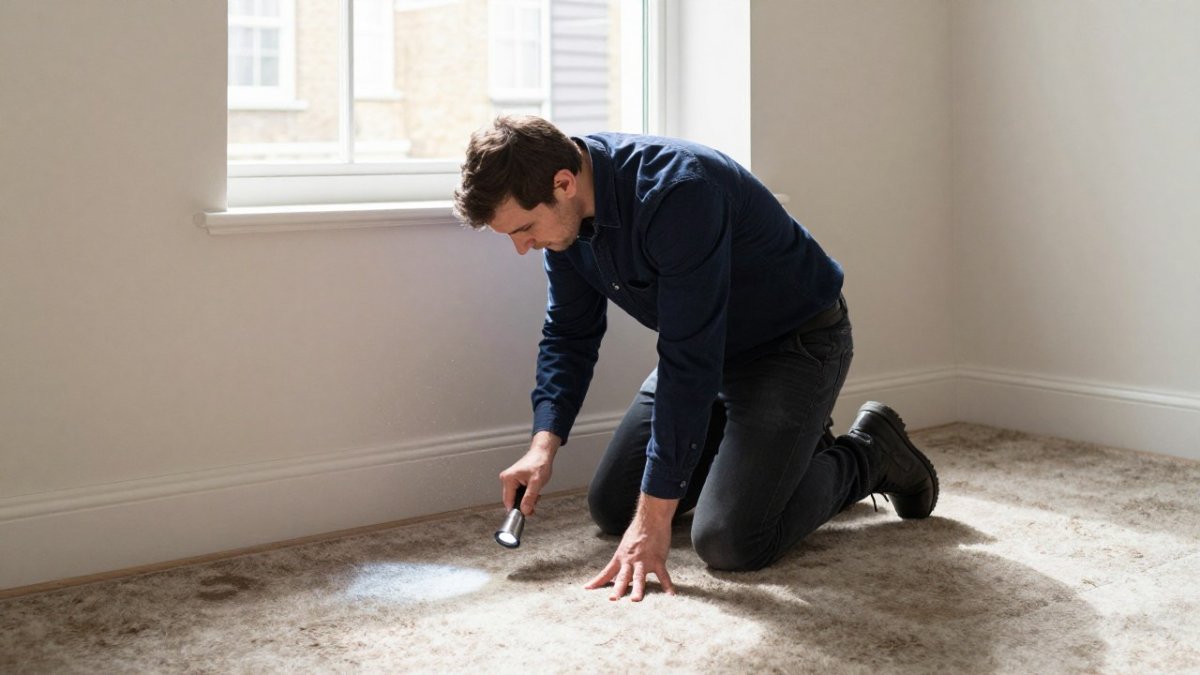
 How-to
What Counts as Fair Wear and Tear in a Rental
Last Updated: November 7, 2026
Quick Summary
Fair wear and tear is the gradual deterioration a rental goes through from normal, everyday living, such as faded paint, thinning carpet and minor scuffs. Accidents, neglect and deliberate damage are not fair wear and tear, and a landlord cannot deduct fair wear and tear from a deposit.
- Ask whether the item simply aged or whether someone caused harm to it.
- Carpet pile flattening in walkways is fair wear; large stains and burns are not.
- Compare the item against its expected lifespan, not against a brand-new version.
- Deductions should be apportioned to the remaining useful life, avoiding betterment for the landlord.
- The check-in inventory with dated photos is the strongest evidence in a deposit dispute.
Table of Contents
- What Fair Wear and Tear Actually Means
- Fair Wear and Tear vs Damage: Where the Line Falls
- Fair Wear and Tear Examples Across Common Rental Items
- Factors That Change What Counts as Fair
- A Practical Item-by-Item Decision Framework
- Rental Property Deposit Deductions Explained
- Betterment and Apportionment in Deposit Disputes
- Booking Your Check-Out Inspection With UKHG Ltd
- Frequently Asked Questions
What Fair Wear and Tear Actually Means
Fair wear and tear is the gradual deterioration a rented property goes through from normal, everyday living (Fair wear and tear policy statement).
Here is the core idea: normal use and the passing of time wear things down. Accidents, neglect and deliberate damage do not.
- Fair wear and tear: slow fading, minor scuffs, worn carpet pile from walking
- Not fair wear and tear: burns, large stains, broken fixtures, holes in walls
- Key test: Would this happen to a similar home with a careful tenant over the same period?
A common mistake is treating every mark as damage. Start by asking whether the item simply aged, or whether someone caused harm to it.
Fair Wear and Tear vs Damage: Where the Line Falls
The line sits between deterioration and harm. Deterioration happens slowly, across the whole item, and affects everyone who lives there.
Think about a sofa. Cushions flattening after years of use is wear. A cigarette burn on the armrest is damage.
Tenant-caused damage usually involves negligence, carelessness or intentional harm. Forgetting to ventilate a bathroom, which leads to mould, can count as negligence.
- Ask how the mark was made, not just how it looks
- Check whether the same wear would appear in a similar, well-kept home
- Note whether the item was already damaged at check-in
Fair Wear and Tear Examples Across Common Rental Items
Most disputes come from a handful of items. Here is how fair wear and tear usually looks across them.
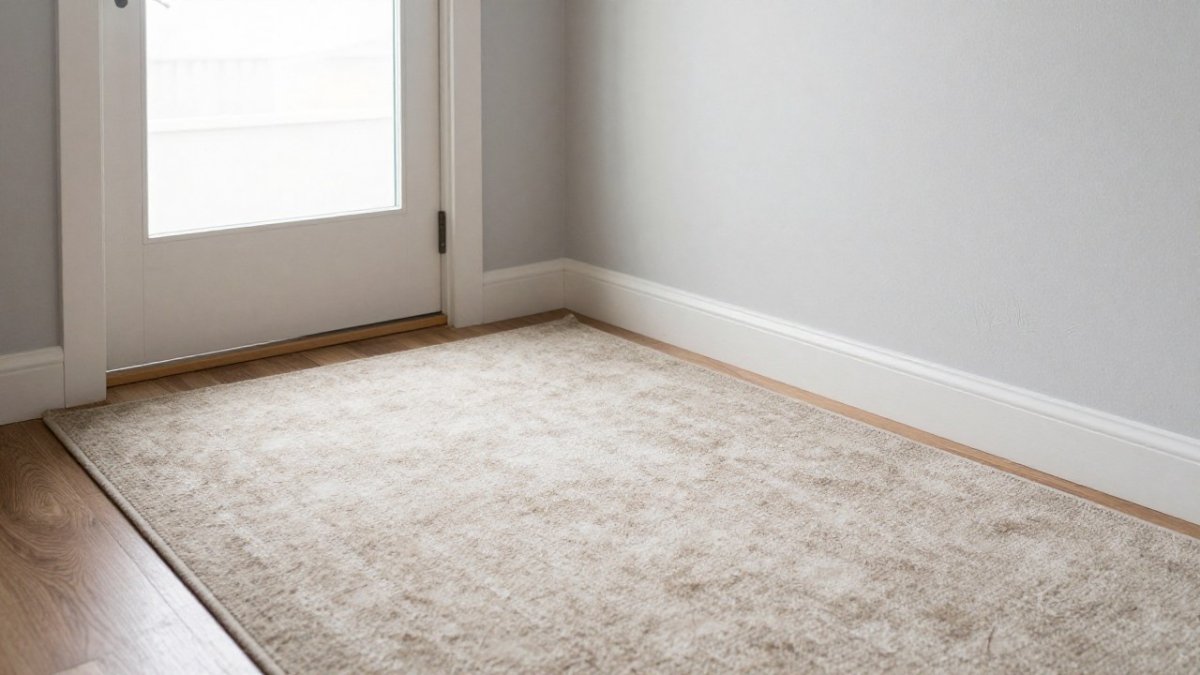
Carpets and flooring
- Fair: pile flattening in walkways, mild fading near windows
- Not fair: large stains, burns, pet urine that has soaked through
Paint and walls
- Fair: light scuffs, faded paint after several years, small nail holes from pictures
- Not fair: large holes, crayon marks, paint colours changed without permission
Fixtures and fittings
- Fair: a loose door handle from regular opening, a tap that drips slowly with age
- Not fair: a cracked basin, a door knocked off its hinges
Curtains and furnishings
- Fair: sun fading, thinning upholstery, minor seam wear
- Not fair: tears, scorch marks, heavy grease stains
Factors That Change What Counts as Fair
The same mark can be fair in one tenancy and unfair in another. Several factors shift the answer.
- Age of the item: An old carpet is expected to wear more than a new one
- Length of tenancy: A three-year let allows more wear than a three-month one
- Number of occupants: A family with children wears a home faster than a single tenant
A landlord who ignores these factors is likely to lose a dispute. Compare the item against its expected life, not against a brand-new version.
A Practical Item-by-Item Decision Framework
Use this process for every item you assess at check-out. It turns the broad definition into a repeatable decision, and it produces the evidence you would need if the deduction is challenged.
- Identify the item and its baseline. Pull the check-in inventory entry, the dated photographs and any inventory clerk's notes. Record the item's age, its condition at the start of the tenancy and any pre-existing marks.
- Describe the current condition precisely. Note location, size and type of mark, for example, "pile flattened across a 2 m walkway" rather than "carpet worn". Vague descriptions are the most common reason a deduction fails.
- Establish the expected lifespan. Use the manufacturer's or supplier's guidance where available, the inventory clerk's opinion, or a reasonable industry expectation for the item type and quality. Record the source you relied on.
- Test the cause. Ask whether the change is gradual and consistent with normal occupation, or sudden, localised or caused by neglect. A mark that appears only where a door swings, or only under a chair, points to use; a burn or a tear points to an incident.
- Apply the factors. Weigh item age, tenancy length, occupancy, quality and initial condition together. A three-year-old mid-range carpet in a two-adult household is treated differently from a ten-year-old cheap carpet in a family home.
- Classify the outcome. Decide whether the change is fair wear and tear, damage that may justify a deduction, or a cleaning issue. These are three separate categories and they carry different remedies.
- Quantify before you deduct. If the outcome is damage, calculate the apportioned cost (see the betterment section below) rather than the full replacement price.
- Record and date the evidence. Photograph the item with a scale reference, keep the check-in and check-out reports together, and note who took each photograph and when.
Watch out: a framework applied without a check-in baseline collapses into argument. If no inventory exists, the landlord's ability to prove that a mark is new is severely limited, and a dispute scheme is likely to resolve the doubt in the tenant's favour.
Wear, damage and cleaning are three different things
Most disputes at move-out are not really about wear versus damage, they are about cleaning being labelled as damage. Gradual deterioration is wear. A stain, mould growth from poor ventilation, grease build-up or dirt in grout is a cleaning issue, and the remedy is to clean to the standard recorded at check-in, not to replace the item. A burn, tear, break or hole is damage.
How occupancy and household circumstances affect the assessment
Normal use is judged against the household that actually lived there. A family with young children will produce more scuffing at skirting level and more wear in hallways than a single occupant; a tenant with a disability may need adaptations or cause different patterns of wear around doorways and bathrooms. These circumstances explain wear, they do not automatically convert damage into fair wear and tear, and they do not automatically make a tenant liable.
A short worked example
A mid-range carpet in a hallway is eight years old and has an expected lifespan of ten years. At check-out there is a two-metre stretch of flattened pile along the main walking route, plus a separate red wine stain near the living-room door. The flattened pile is fair wear and tear: it is gradual, consistent with normal use and the carpet is near the end of its life. The stain is damage, but the recoverable amount is limited to the remaining two years of the carpet's life, apportioned against the replacement cost. The two findings sit in the same report and are treated completely differently.
The framework below sorts each item at check-out into one of three categories, each with a different remedy.
| Category | What it looks like | Remedy |
|---|---|---|
| Fair wear and tear | Gradual, consistent with normal occupation | No deduction |
| Cleaning issue | Stains, mould, grease, dirt in grout | Clean to check-in standard |
| Damage | Sudden, localised, caused by an incident or neglect | Apportioned cost may be deducted |
| Baseline | Check-in inventory and dated photos | Required to defend any deduction |
Rental Property Deposit Deductions Explained
A deposit deduction is only fair when it covers damage beyond fair wear and tear. The landlord must show what was damaged, why, and what it cost to fix.
A deduction should reflect the actual cost of repair or replacement, not a new-for-old price where the item was already worn.
Hold the evidence together. Keep the check-in inventory, check-out report, photos, and receipts. Without these, a deduction is hard to defend.
Betterment and Apportionment in Deposit Disputes
Two ideas shape what a landlord may fairly recover, and both are routinely got wrong in deposit disputes.
Betterment is the improvement a landlord gains when a repair or replacement leaves them with a newer or better item than the one that was damaged.
Apportionment is the mechanism that prevents betterment. The charge is reduced to reflect how much of the item's useful life had already been used up at the point of damage.
A worked apportionment calculation
Suppose a carpet with a ten-year expected lifespan cost £600 to replace and was six years old when it was damaged beyond repair. Four years of useful life remained. The apportioned figure is £600 ÷ 10 × 4 = £240. That is the starting point for the claim, not £600. If the same carpet had been nine years old, the figure would be £60. If it had been one year old, it would be £540. The older the item, the smaller the recoverable amount, which is exactly the point of the rule.
The same logic applies to paint and decoration, furniture, white goods and flooring. For partial damage, such as a single stained carpet in one room, the calculation is usually based on the affected area or the cost of a like-for-like repair rather than a full replacement.
Watch out: apportionment is not a discount the tenant can demand for any deduction. It applies to the replacement of worn items, not to the cost of cleaning, unblocking a drain or replacing a broken fixture that had no remaining wear to account for.
The evidence a dispute scheme expects
If a deduction is challenged, the deposit protection scheme holding the money will decide on the evidence the parties provide. In practice, schemes look for:
- a check-in inventory and a check-out report that describe the same items in comparable detail
- dated photographs from both points, ideally with a scale reference
- receipts or quotes showing the actual cost of the repair or replacement
A claim supported by a full set of these documents is far more likely to succeed than one supported by a single photograph and an assertion. A claim with no check-in record is difficult to sustain at all.
Where to take a dispute
Deposit disputes are handled through the tenancy deposit scheme that holds the money (Deposit protection schemes and landlords: Overview). Check that scheme's own guidance before submitting a claim, and keep copies of every document you send.
Reducing the risk before check-out
Most apportionment disputes are avoidable. Agree the check-in inventory with dated photographs, keep receipts for any replacement during the tenancy, and carry out a joint check-out inspection where possible. If a deduction is likely, provide the calculation and the supporting evidence at the same time as the deduction is proposed, rather than after the tenant objects. That single step resolves a large share of disagreements before they reach a scheme.
Booking Your Check-Out Inspection With UKHG Ltd
A clear check-out inspection avoids most disputes before they start.
If you want an independent record of the property's condition, get in touch with UKHG Ltd to arrange an inspection or request a free valuation. Our team can also support repairs that come up after a tenancy ends, and you can read more about property maintenance and repairs across London.
For a deeper look at the process, see our guide on how to exit long term property leases and our guide to vetting rental tenants. Landlords with older homes may also find our advice on managing older properties in London useful.
Frequently Asked Questions
What is fair wear and tear in a rental? Fair wear and tear is the gradual deterioration a property experiences from normal, everyday living.
Can a landlord deduct for carpet wear? Normal wear in walkways is fair wear and tear.
Who proves what counts as damage? The landlord normally needs to show the damage and its cause.
Frequently Asked Questions
What counts as fair wear and tear in a rental property?
Fair wear and tear is the gradual deterioration a property suffers from normal, reasonable use and the passage of time, such as light scuffing on walls, faded paintwork, or carpets thinning in high-traffic areas. It is not caused by accident, neglect or deliberate damage. Landlords cannot deduct from a deposit for fair wear and tear, so the test is whether the condition would reasonably be expected after the tenancy length and normal living.
Can a landlord deduct money from a deposit for fair wear and tear?
No. Deposit deductions should cover damage beyond fair wear and tear, along with unpaid rent or bills. Landlords should be able to show the item's condition at check-in and at check-out, usually through a signed inventory and dated photographs.
How are betterment and apportionment used in deposit disputes?
Betterment means a landlord should not gain financially from replacing an old item with a new one, so a tenant is only charged for the value the item had lost, not the full cost of a new replacement. Apportionment works by estimating the item's expected lifespan and charging the tenant only for the share of that life used up during the tenancy. Both principles limit deductions and often decide how much a fair claim should be.
What evidence should landlords and tenants keep at check-in and check-out?
Both parties should keep a signed check-in inventory with dated photographs or video, plus a check-out report completed at the end of the tenancy. Recording the condition of carpets, walls, fixtures and appliances at both points makes it far easier to separate fair wear and tear from damage. Keep copies of receipts and quotes for any repairs claimed against the deposit, and store them with the tenancy paperwork.