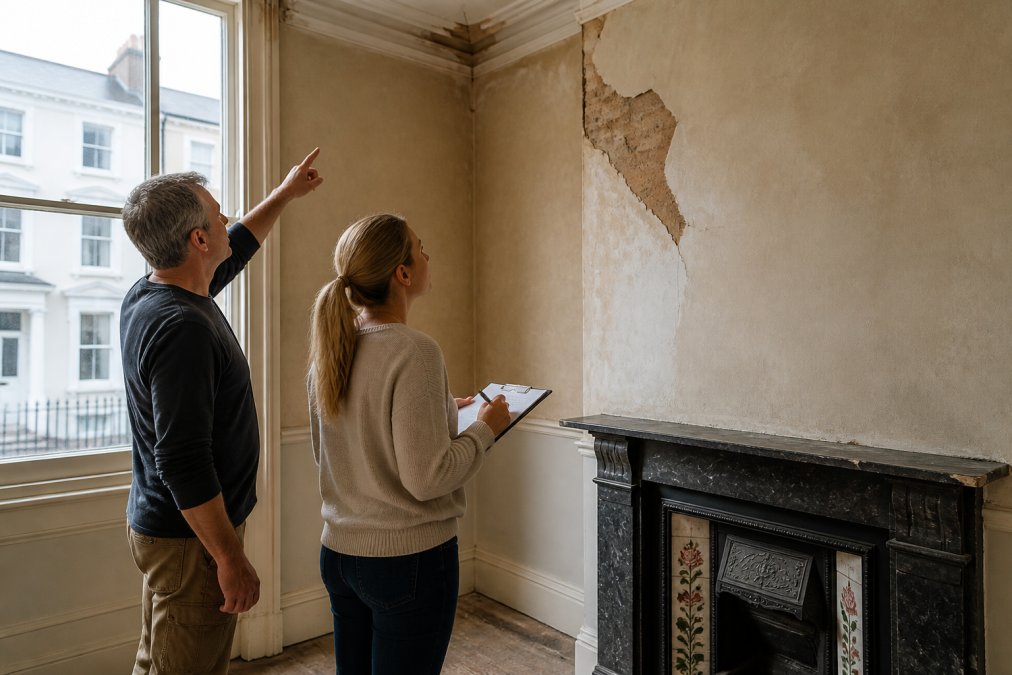
 ultimate-guide
Managing Older Properties in London: A Landlord's Guide
Table of Contents
- Why Older Properties in London Need a Different Management Approach
- Energy Efficiency Upgrades for Older Homes
- Damp and Mould Prevention in Older Buildings
- Structural Integrity, Building Inspections and Preventative Maintenance
- Legal Requirements for Older Rental Properties
- Social Housing Leasing for Older Properties
- Frequently Asked Questions
Last Updated: September 12, 2026
Why Older Properties in London Need a Different Management Approach
Managing older properties in London is a fundamentally different job from managing a modern block, and the sooner a landlord accepts that, the less money they lose. Period housing stock comes with solid brick walls, ageing pipework and original features that demand specialist care, yet many owners apply the same maintenance logic they'd use on a new-build. This guide from UKHG Ltd sets out what actually changes.
The gap between expectation and reality is where most budgets blow up. A Victorian terrace that looks sound on a viewing can hide failing damp proofing, outdated electrical wiring and a heating system sized for a different era. Treating those as routine repairs rather than planned capital expenditure is a common mistake.
Below, we'll cover the maintenance schedules, legal duties and upgrade priorities that keep period properties profitable, and the two areas most landlords overlook entirely: retrofitting for energy performance and insuring a non-standard building.

Energy Efficiency Upgrades for Older Homes
Energy efficiency upgrades for older homes start with the EPC rating, because that single figure now shapes what you can legally let and what tenants will pay. The practical sequence is insulation first, then glazing, then heating, since each step changes the payback on the next.
EPC Requirements and What They Mean for Landlords
An EPC rating is a standardised measure of a property's energy performance, graded from A to G, and it governs whether a rental can be let at all. Current rules require a minimum rating for new tenancies, with higher thresholds phased in over the coming years, so a property sitting at the bottom of the scale is a commercial risk, not just an environmental one (gov.uk). Check the current thresholds and exemption routes on the government guidance on domestic energy performance certificates before committing to a refurbishment budget.
Insulation, Glazing and Heating Without Losing Character
Victorian and Edwardian homes were built to breathe, which is exactly why modern airtight retrofits cause problems. Internal wall insulation on a solid brick wall traps moisture and can push damp straight into the timber. The safer route is breathable insulation, secondary glazing behind original sashes, and a modern condensing boiler with properly sized radiators.
Damp and Mould Prevention in Older Buildings
Damp and mould prevention in older buildings comes down to correctly identifying which of three problems you actually have, because the fixes are completely different. Misdiagnosis is expensive: landlords regularly pay for a damp proof course that was never the issue.
Common Causes: Rising Damp, Penetrating Damp and Condensation
Rising damp moves up from the ground through the base of a wall and typically leaves a tide mark. Penetrating damp comes in sideways through failed render, cracked brickwork or blocked gutters. Condensation, the most common of the three, forms when warm moist air hits a cold surface and has nowhere to go. Each needs a different remedy, and a surveyor's report should confirm which one applies before any work begins.
Ventilation Solutions That Work in Period Properties
Ventilation in period properties has to move air without wrecking the building envelope. Trickle vents in replacement windows, extractor fans in kitchens and bathrooms, and positive input ventilation units all work where a sealed modern system would not. Chimney stacks and air bricks exist for a reason, so keep them clear.
| Problem | Typical Sign | Usual Fix |
|---|---|---|
| Rising damp | Tide mark at wall base | Damp proof course, check ground levels |
| Penetrating damp | Localised wet patches | Repair render, gutters, brickwork |
| Condensation | Mould on cold surfaces | Improve ventilation, reduce moisture |
Structural Integrity, Building Inspections and Preventative Maintenance
Structural integrity in a period property is not a one-off assessment, it is a rolling programme of inspection and repair. Older buildings fail slowly and then suddenly, and the difference between a manageable repair and a major structural job is usually how early you caught it. For London's Victorian and Edwardian housing stock, the specific failure points are well known: roof valleys, parapet gutters, bay windows, and the junction between original brickwork and later extensions.
Building a Preventative Maintenance Schedule
A preventative maintenance schedule is a written plan that sets out what gets checked, how often, and by whom. For period housing stock, annual building inspections should cover the roof, gutters, chimney stacks, external brickwork and any basement or cellar areas. Quarterly checks on plumbing systems and electrical wiring catch the smaller faults before they become safety compliance issues. But the schedule must be tailored to the building's construction. A solid brick wall, for example, absorbs and releases moisture differently from a cavity wall, so pointing and render repairs need to use lime-based mortars that allow movement and evaporation. Cement pointing traps moisture and accelerates brick spalling.
- Annual roof, gutter and chimney inspection
- Annual check of external render and brickwork
- Quarterly boiler and heating service
- Five-yearly electrical installation condition report
- Annual damp and ventilation review
- Five-yearly structural survey by a chartered building surveyor
Insurance Implications for Period Properties
Most guides ignore how maintenance records affect insurance for older buildings. Insurers view period properties as higher risk because of non-standard construction, ageing services, and the potential for hidden defects. A comprehensive maintenance log, with dated photographs and receipts for specialist repairs, can demonstrate that the building is well managed and may reduce premiums or at least prevent cover being declined. Conversely, a lack of records can lead to disputes if a claim arises from a slow leak or structural movement that could have been caught earlier. When obtaining quotes, be prepared to provide details of the construction (solid brick, timber frame, etc.), any recent renovations, and the age of the roof and wiring. Specialist insurers exist for listed and historic buildings, but they will expect evidence of proactive maintenance.
Common Structural Issues in Older London Properties
Beyond routine checks, be aware of the specific structural problems that affect period housing. Subsidence is a concern in areas with clay soils, often triggered by tree roots or leaking drains. Roof spread is common in older terraces where the weight of the roof pushes out the walls, usually due to failed roof timbers or inadequate lateral restraint. Bay windows, a feature of many Victorian terraces, can sag if the original lintels have corroded or the foundations have settled. Any sign of diagonal cracking, sticking doors or windows, or uneven floors should prompt a structural engineer's inspection. Catching these early can mean the difference between a few hundred pounds of repair and tens of thousands in underpinning or rebuilding.
Legal Requirements for Older Rental Properties
Landlords of period properties face the same core duties as any other landlord, plus a set of additional obligations that arise from the building itself. Safety compliance covers gas, electrical and fire safety, and older buildings often need more work to meet the same standard. The key regulations are specific, and ignorance is not a defence.
Gas Safety
Under the Gas Safety (Installation and Use) Regulations 1998, landlords must have all gas appliances and flues checked annually by a Gas Safe registered engineer, and provide a copy of the gas safety record to tenants within 28 days of the check and to new tenants before they move in. Older properties may have outdated pipework or appliances that fail the check, requiring remedial work before a certificate can be issued.
Electrical Safety
The Electrical Safety Standards in the Private Rented Sector (England) Regulations 2020 require landlords to have the electrical installation inspected and tested by a qualified person at least every five years, and to provide a copy of the report to tenants and the local authority on request. For older properties, the wiring may be old and lack adequate earthing or residual current devices (RCDs), so upgrades are often needed to pass. The report will highlight any code C1 (danger present) or C2 (potentially dangerous) issues that must be remedied within 28 days.
Fire Safety
The Regulatory Reform (Fire Safety) Order 2005 applies to common parts of blocks of flats, requiring a fire risk assessment. For individual dwellings, the Smoke and Carbon Monoxide Alarm (Amendment) Regulations 2022 require at least one smoke alarm on each storey and a carbon monoxide alarm in any room with a fixed combustion appliance (excluding gas cookers). Older buildings may have inadequate fire separation between units, and any alterations must not compromise existing compartmentation.
Energy Performance Certificates (EPCs)
As covered earlier, EPCs are mandatory for rental properties. The current minimum standard is an E rating for new tenancies, but the government has proposed raising this to C for all tenancies by 2028 (with some exemptions). Landlords of older properties should plan upgrades now to avoid being unable to let.
Licensing
Many London boroughs operate selective licensing schemes for private rented properties in certain wards. These schemes require landlords to obtain a licence, meet conditions on management and property standards, and pay a fee. Always check with the local council whether your property falls within a designated area.
Listed Buildings and Conservation Areas
If a property is listed (Grade I, II* or II), any alteration that affects its character as a building of special architectural or historic interest requires listed building consent from the local planning authority. Unauthorised work is a criminal offence and can result in enforcement action, including fines and a requirement to undo the work. Even like-for-like repairs may need consent if they involve changing materials. Historic England's guidance on listed building consent sets out what does and does not require approval. In conservation areas, additional controls apply to demolition and external alterations. Always consult the local conservation officer before starting work.
Health and Safety Executive (HSE) Requirements
Landlords also have duties under the Housing Act 2004, including the Housing Health and Safety Rating System (HHSRS), which local authorities use to assess hazards such as damp, mould, excess cold, and fall risks. Older properties are more likely to have Category 1 hazards, which can trigger enforcement notices. Keeping the property in good repair is not just good practice, it is a legal requirement.
Social Housing Leasing for Older Properties
Social housing leasing offers a route that many owners of non-standard properties overlook. Under a direct lease arrangement, the landlord leases the property to the provider for a fixed term, and the provider takes on the day-to-day management, tenant sourcing and maintenance coordination.
This model suits older, quirky buildings that struggle on the open market. A converted Victorian terrace with unusual layouts can sit empty for months while a landlord chases tenants through void periods. A fixed-term lease removes that exposure, and capital expenditure becomes far easier to plan when the income is predictable. At UKHG Ltd, we lease properties directly for terms of one to five years, with guaranteed monthly rent regardless of occupancy and no letting commission or management fees. Full management, including vetting, inspections and 24/7 maintenance support, sits with us, and the landlord keeps a single point of contact.
Managing an older property is a long-term commitment, and the owners who do it well are the ones who treat maintenance as a planned cost rather than a series of emergencies. Guaranteed rental income and professional maintenance turn that commitment into something predictable. Get started with UKHG Ltd and secure fixed monthly payments on your period property, with flexible lease terms, full tenant vetting and round-the-clock maintenance support. Get a free valuation to see what your property could earn.
Frequently Asked Questions
What are the most common structural issues in older properties?
Older properties commonly suffer from subsidence, roof deterioration, timber decay, and outdated drainage. Subsidence often shows as diagonal cracks near windows or doors. Roofs may have slipped tiles or failing flashings. Timber can rot where damp goes untreated. Drainage systems may be cracked or blocked. Regular building inspections catch these early, before repair bills escalate. A preventative maintenance schedule covering roofs, gutters, drainage and structural elements keeps on top of problems and protects asset value over time.
How do I balance historical character with modern energy efficiency standards?
You can improve energy efficiency without stripping character. Secondary glazing preserves original sash windows while cutting heat loss. Internal wall insulation suits solid-brick walls where external cladding would be inappropriate. Loft insulation is usually straightforward. For listed buildings, you need listed building consent before making changes. EPC ratings matter for rental compliance, so plan upgrades early. The right approach depends on the property's construction, age and listing status, so get specialist advice before committing to a retrofit strategy.
What are the legal requirements for maintaining older rental properties?
Landlords must hold a valid EPC, a Gas Safety Certificate renewed annually, and an Electrical Installation Condition Report every five years. Smoke and carbon monoxide alarms must be fitted and tested. For older properties, additional rules apply if the building is listed or in a conservation area. You must also meet the Decent Homes Standard and address hazards under the Housing Health and Safety Rating System. Compliance is non-negotiable and regular inspections help you stay on the right side of the law.
How does UKHG Ltd simplify the management of older rental assets?
UKHG Ltd directly leases older properties for social housing, paying guaranteed monthly rent regardless of occupancy. That removes void periods and letting fees entirely. The company handles tenant sourcing, vetting, inspections and 24/7 maintenance support. Lease terms run from one to five years, giving certainty over income. For landlords with period or non-standard properties, UKHG Ltd takes on the day-to-day management burden, leaving you with a fixed monthly payment and a dedicated point of contact.