 How-to
Landlord Repair Duties in London: Your Obligations Explained
Last Updated: November 12, 2026
Quick Summary
Landlord repair obligations in London mean the landlord must keep the structure and key services of the home in good repair, including the roof, walls, windows, pipes, wiring, gas, heating and hot water. Under the Landlord and Tenant Act 1985, repairs must be carried out within a reasonable time once the landlord knows about the defect.
- Landlords must act within a reasonable time once they are aware of a defect.
- Emergency repairs such as gas leaks or no heat in cold weather should be dealt with the same day or within 24 hours.
- Tenants are responsible for damage they cause, such as blocked drains from misuse or broken glass.
- Keep dated records of when repairs were reported, acknowledged, arranged and completed.
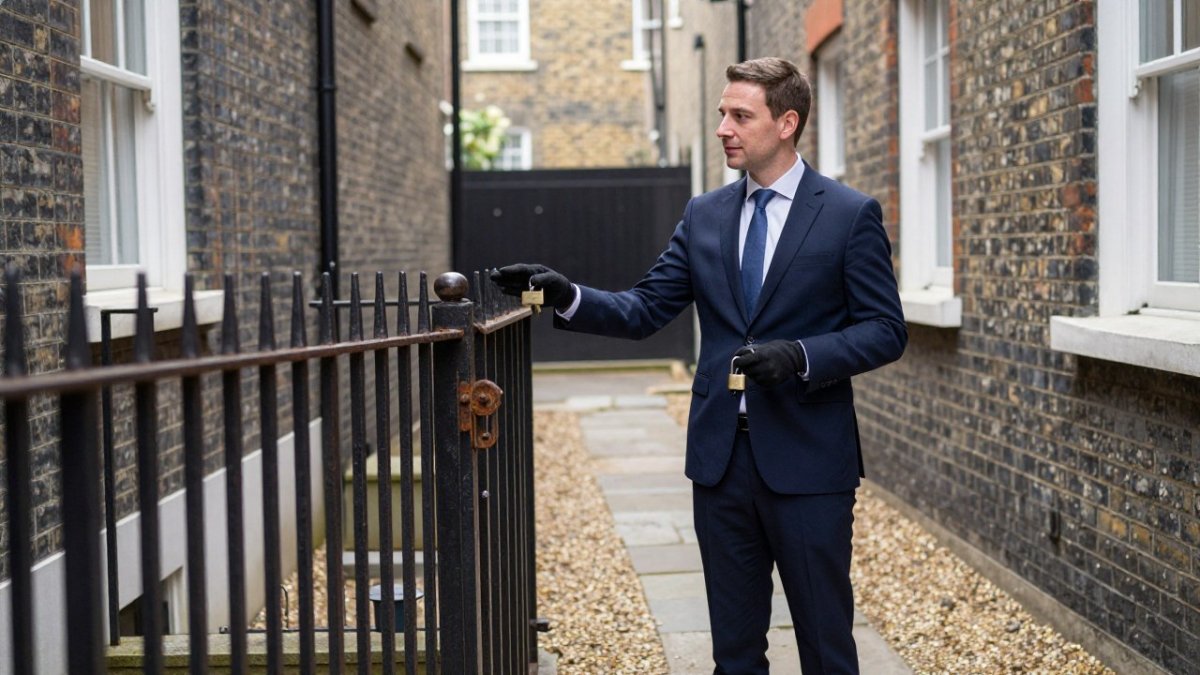
- Give proper written notice before entering the property, offering at least one alternative time slot.
Table of Contents
- What Landlord Repair Obligations Cover in London Rentals
- Landlord and Tenant Responsibilities for Repairs
- How Quickly Landlords Must Carry Out Repairs
- Landlord Responsibility for Damp and Mould
- Writing a Landlord Repair Notice: What to Include
- Access for Repairs, Tenant Damage and Repair Costs
- Keeping Repair Records and Getting Professional Help With Your London Property
- Frequently Asked Questions
What Landlord Repair Obligations Cover in London Rentals
Understanding landlord obligations for London property repairs starts with one simple rule: the landlord is responsible for keeping the structure and key services of the home in good repair.
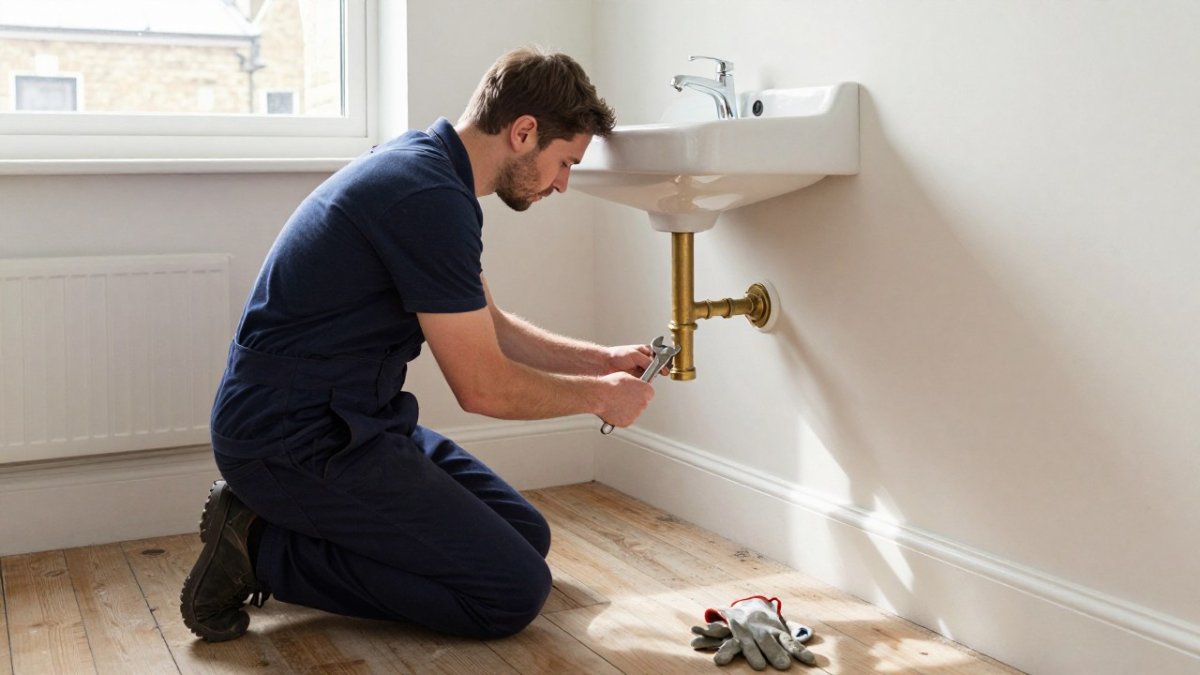
Landlord repair obligations cover the parts of a property the tenant does not control. In practice, that usually means the roof, outside walls, windows, doors, and the main structure. It also covers the pipes, wiring, gas installations, water supply, heating, and hot water.
Many landlords assume repairs are optional until a tenant complains. The law says otherwise. Once you know about a defect, you must act within a reasonable time.
Landlord and Tenant Responsibilities for Repairs
Repair duties are split between the landlord and the tenant. The landlord handles the structure and the building's core systems. The tenant handles day-to-day care and damage they cause.
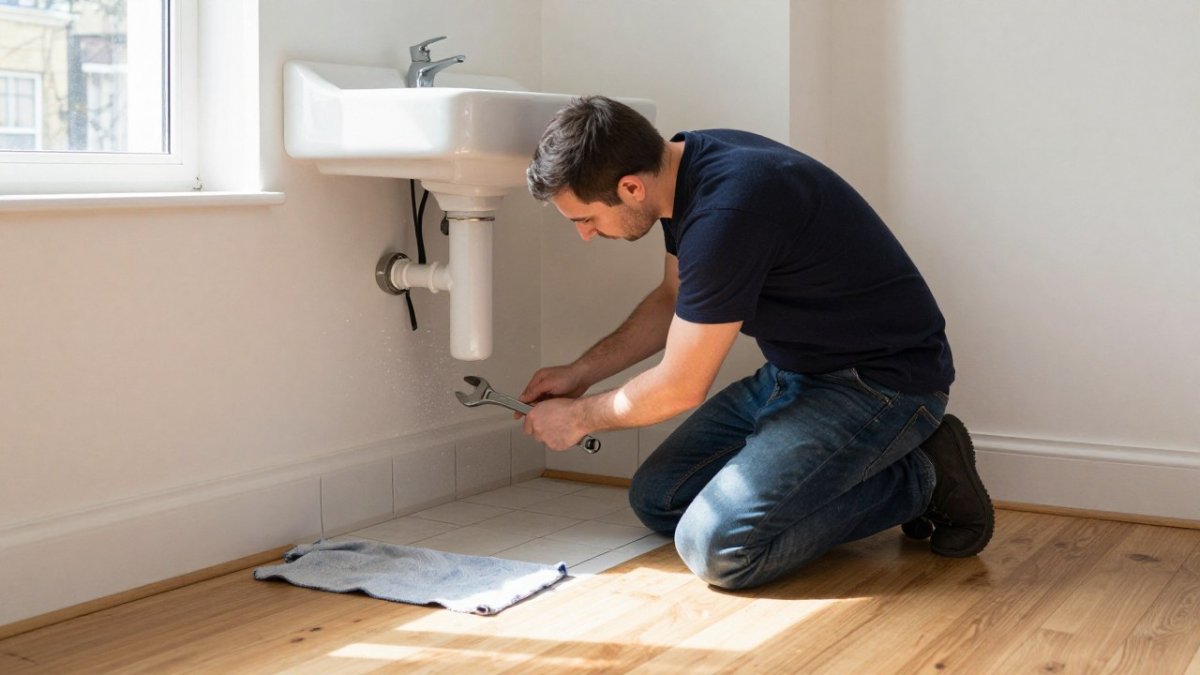
A common mistake is treating every fault as the tenant's problem. A blocked drain caused by tenant misuse may be theirs to pay for. A boiler that fails with normal use is usually the landlord's responsibility.
Checklist: Who Fixes What
- Roof, walls, windows and doors: landlord
- Pipes, wiring and gas installations: landlord
- Heating and hot water systems: landlord
- Sinks, baths and toilets (general wear): landlord
- Blocked drains from tenant misuse: tenant
- Broken glass or damage caused by tenants: tenant
- Changing light bulbs and smoke alarm batteries: tenant
How Quickly Landlords Must Carry Out Repairs
The law does not set one fixed deadline for every repair. Under Section 11 of the Landlord and Tenant Act 1985, landlords must carry out repairs within a reasonable time once they are on notice of the defect. What counts as reasonable depends on the severity of the problem, the risk to health and safety, the availability of parts and contractors, and whether the tenant has cooperated on access.
Repairs are often triaged into three bands. These are practical conventions rather than statutory deadlines, but they help demonstrate that you acted reasonably if a dispute arises.
Repair Timelines by Severity
- Emergency (same day or within 24 hours): gas leaks, no heating or hot water in cold weather, serious water leaks, dangerous electrics, and anything that makes the property unsafe to occupy. Make the situation safe first, then arrange the permanent repair.
- Urgent (within a few days): a broken boiler where heating still works, a blocked toilet where there is no alternative facility, a failed lock on an external door, or a leak that is contained but worsening.
- Routine (within a few weeks): cosmetic faults, minor leaks, worn fittings, and non-urgent joinery or decoration.
Watch out: treating every report as routine is the most common way landlords end up on the wrong side of a council inspection. A defect that affects heating, hot water, drainage or electrical safety should be assessed against the emergency or urgent band on the day it is reported.
What 'Reasonable Time' Looks Like in Practice
Reasonableness is generally judged on the whole sequence of events, not just the final completion date. A landlord who acknowledges a report the same day, arranges an inspection within a few days, orders parts promptly and keeps the tenant informed is usually in a stronger position than one who stays silent for a fortnight and then completes quickly.
Keep a dated record of:
- When the repair was first reported and by what method
- When you acknowledged it and what you told the tenant
- When an inspection or contractor visit was arranged
- Any parts or access delays and what you did to work around them
- The date the repair was completed and any follow-up needed
London-Specific Escalation When Repairs Drag On
If a landlord does not act within a reasonable time, tenants in London can escalate to the environmental health team at their borough council.
Enforcement practice varies across boroughs. Tenants should provide photographs, dates of reports, copies of correspondence and any medical evidence where health is affected.
For leasehold flats, the freeholder or managing agent may be responsible for communal areas and the building structure.
The article sets out three repair bands and the timing each one should follow in practice.
| Severity | Typical examples | Timing |
|---|---|---|
| Emergency | Gas leaks, no heating or hot water in cold weather, serious water leaks | Same day or within 24 hours |
| Urgent | Broken boiler with heating still working, blocked toilet, failed external door lock | Within a few days |
| Routine | Cosmetic faults, minor leaks, worn fittings | Within a few weeks |
Landlord Responsibility for Damp and Mould
Damp and mould are among the most common repair complaints in London rentals. They often come from condensation, poor ventilation, or structural leaks. Landlords should not assume the tenant caused them.
Under the Homes (Fitness for Human Habitation) Act 2018, landlords must keep homes fit for human habitation. Homes (Fitness for Human Habitation) Act 2018
Check for a structural cause first, such as a leaking gutter or failed damp-proofing. Only then consider whether ventilation is the issue, and be fair about it.
Writing a Landlord Repair Notice: What to Include
A clear written notice protects both sides. It should state the date, the property address, the problem, and the work needed.

A good repair notice includes:
- The date the repair was reported
- A clear description of the fault
- The work you plan to carry out
- The date you expect the work to be complete
Keep copies of every notice and reply. Written records make it easier to show you acted within a reasonable time.
Access for Repairs, Tenant Damage and Repair Costs
Access, damage and cost are where most repair disputes actually start. Getting the mechanics right protects both sides and makes escalation less likely.
Access for Inspections and Repairs
Landlords and their contractors must give proper notice before entering a home, at a reasonable time of day. The tenant should not unreasonably withhold access, and repeated refusal can become a breach of the tenancy.
A practical workflow:
- Send written notice by email or letter with the proposed date and time window.
- Offer at least one alternative slot so the tenant can cooperate.
- Confirm the contractor's name and what the visit is for.
- Record the outcome, including any access refused and the reason given.
- If access is refused, re-offer and keep the correspondence.
Watch out: turning up without notice, or sending a contractor the tenant has not been told about, can turn a straightforward repair into a complaint and undermine your position if the council becomes involved.
Tenant Damage Versus Wear and Tear
Tenants are responsible for damage they cause through misuse or neglect, such as a blocked drain from flushed items, broken glass, or damage from an unauthorised alteration. Fair wear and tear from normal living is the landlord's responsibility. The distinction matters at the end of a tenancy and during it: a landlord cannot use wear and tear as a reason to charge the tenant, and a tenant cannot use 'it was old' to excuse clear damage.
Where damage is disputed, photographs, dated reports and a contractor's written opinion are the most useful evidence.
Who Pays for What
In most London tenancies, the landlord pays for repairs covered by Section 11 of the Landlord and Tenant Act 1985, structure, exterior, installations for water, gas, electricity, heating and sanitation. The tenant pays for damage they cause and for day-to-day items such as light bulbs and smoke alarm batteries.
For leasehold flats, service charges may cover communal repairs, and the lease sets out what the freeholder or managing agent must maintain. A landlord should check the lease before assuming a repair is the tenant's or their own responsibility.
Lawful Remedies and Rent Withholding
Tenants sometimes ask whether they can withhold rent until a repair is done. Withholding rent is rarely a safe route: it can put the tenant in breach and lead to possession action, even where the repair complaint is genuine. The safer options are usually:
- Written notice to the landlord setting out the defect and a reasonable deadline
- Escalation to the borough council's environmental health team
- A complaint to the landlord's redress scheme if they are a member of one
- Legal advice before any step that affects the tenancy or rent
Landlords should respond to a repair notice in writing, set out what will be done and when, and keep a record. If a council inspection follows, a clear paper trail showing prompt action is the best protection.
London Leasehold and Communal Areas
In blocks of flats, responsibility for communal areas, the roof, external walls and shared services often sits with the freeholder or managing agent rather than the individual landlord. A tenant reporting a leak from a communal pipe or a failure in the building's heating system should be told who is responsible and what is being done to chase it. Landlords should keep managing agent contact details and service charge records to hand, because delays in communal repairs are a frequent source of escalation.
Keeping Repair Records and Getting Professional Help With Your London Property
Good records make every repair easier to manage. Keep a simple log of each report, each action, and each completed job, with dates and photos where useful.
A specialist contractor can help with repairs. Property Maintenance & Repairs covers reactive and planned maintenance for London properties. If you want a landlord-focused review of your repair position, get in touch for a free property valuation or a call. For more guidance on older London homes, read Managing Older Properties in London: A Landlord's Guide.
Frequently Asked Questions
What repairs is a landlord legally responsible for?
Under the Landlord and Tenant Act 1985 (Section 11), landlords of most residential lets must keep the structure and exterior of the property in repair, including the roof, walls, windows and doors. They must also keep in working order the installations for water, gas, electricity, heating and hot water, plus sanitary fixtures such as basins, sinks, baths and toilets. Landlords also have a duty under the Homes (Fitness for Human Habitation) Act 2018 to ensure the property is fit for human habitation at the start of the tenancy and throughout it. Responsibilities for appliances supplied by the landlord are set by the tenancy agreement and the specific facts of the case, so check your terms carefully.
How quickly must a landlord carry out repairs?
UK law does not set a single fixed deadline for every repair. Landlords must act within a reasonable time, and what counts as reasonable depends on how urgent the problem is. Urgent issues such as a gas leak, no heating in winter, a burst pipe or a dangerous electrical fault should be dealt with as quickly as possible, often within 24 hours. Less serious jobs may reasonably take longer. Recording when you reported a problem and how the landlord responded will help if a dispute later arises.
Are landlords responsible for damp and mould in London rentals?
Yes, in many cases. Damp and mould caused by structural defects, roof or guttering faults, penetrating or rising damp, or inadequate ventilation in the building are generally the landlord's responsibility. Condensation caused by the tenant's lifestyle, such as drying washing indoors without ventilation, can be a tenant issue, but landlords should still investigate and advise. Local authorities can assess damp and mould as a hazard, so check the official guidance on your local council's website.
What should a landlord include in a repair notice?
A clear repair notice should give the date, the property address, a description of the defect, its location, the date it was first reported, the repair the landlord is being asked to carry out and a reasonable deadline for response. Keep a copy and send it in a way you can prove, such as by email with a read receipt or by recorded post. Keeping this record protects both sides if the matter later goes to the local authority or a court.